
Vancouver, BC
From a dermatological standpoint, can you tell us, in layman’s terms, what exactly is rosacea?
So, rosacea is a condition that can present differently in many patients. For some patients, it includes skin that becomes pink and more red over time. In others, there may be dilated blood vessels. For some patients, it can include a breakout that looks like acne, and in others, they can actually get changes in the shape and size of certain facial features, like their nose or their chin. But what’s different between patients is that they may have one or two or all symptoms of rosacea.
Is there anything that you can tell us about the root causes of rosacea?
Absolutely, so rosacea is a condition that is inherited, meaning those patients who have it have a genetic predisposition. It tends to come on in early adulthood, and without treatment, it slowly progresses over time. So at the end of the day, rosacea is genetically inherited, but it’s significantly modified by our lifestyle and by treatment; those are two things we can target that can not only improve the symptoms, but also improve the natural history, meaning it won’t get as bad over time.
Are there certain people who are more prone to rosacea in terms of age, gender, or race?
Yes, rosacea, as a condition, is quite common. It typically onsets in early adulthood, sometime around the age of 30, and it’s more common in patients of Northern European or Celtic descent. So I personally have rosacea. I have the erythema telangiectastic subtype, so the subtype where skin becomes pink to red over time, and my primary symptom is stinging and burning.
Can we talk about food and lifestyle triggers? Because I know there are things that can exacerbate symptoms in some folks.
Absolutely, so in day-to-day life, there are many things that can trigger a flare of rosacea. So, for example, sun exposure and extreme heat or extreme cold for certain patients can be a trigger. In others, it can be stressful situations. Caffeine or hot beverages can be a trigger, and spicy foods are often a trigger for patients. And so these can all be modified, not only to improve symptoms, but to slow down the progression.
What can you tell us about skin care for folks with rosacea? I’m sure you can speak to that personally and professionally.
Yes, skincare is often overlooked in patients with rosacea. But it’s critically important to minimize symptoms and to have skin that feels good. One of the factors contributing to the symptoms of rosacea is called barrier dysfunction. So the skin barrier is the active layer of the skin that keeps water in and keeps irritants and allergens out, and in patients with rosacea, that just doesn’t work so well, and that’s where skincare comes in.
So very gentle skincare used at least twice a day – that could be a soap-free cleanser and a fragrance-free moisturizer with sunscreen – can really help not only restore the skin barrier to make skin feel smoother, but it also makes skin less reactive, because it helps to seal water in and keep irritants and allergens out. And then the sunscreen component really reduces UV damage that can accelerate rosacea in a different way.
What does treatment from a dermatologist look like for rosacea? I’m sure it differs depending on symptoms.
Treatment for rosacea from a dermatologist would start with a history and a physical exam. So first of all, understanding how this is impacting a patient is the place that we need to start, and then looking at their skin to see which aspects of rosacea are contributing to the way their skin looks and feels. And from that point, treatment is going to be completely individualized. There is no one-size-fits-all solution, and it really underscores the importance of having an expert physician to identify the key features and customize a treatment plan.
I know you’ve said you have rosacea, so is there anything, then, from a personal perspective, that you’d like to add to the conversation about rosacea in general?
Yes, I’d like to add that the symptoms of rosacea, when we think of a visual impact, may not appear that severe, but the impact on someone’s psychosocial function and their well-being can be really significant.
I know for myself, even though it just shows up as pink skin, when I flush, when my skin feels like it’s burning and stinging, not only is it uncomfortable, but it really impacts my self-confidence. And so treating rosacea has not only alleviated symptoms for me, but it’s boosted my self-confidence and my overall wellness. I think it’s so important for patients to know that it might not look like much, but treating it can really have a profound impact.
I think it’s important for patients suffering from any aspect of rosacea to be aware that there are short-term treatments and longer-term management strategies that can lead to symptom improvement, but this is a chronic condition. Meaning it is lifelong. And so, for patients with rosacea, partnering with a dermatologist to have a long-term plan, not only for symptom management, but for prevention to impact the natural history of rosacea, is so important.
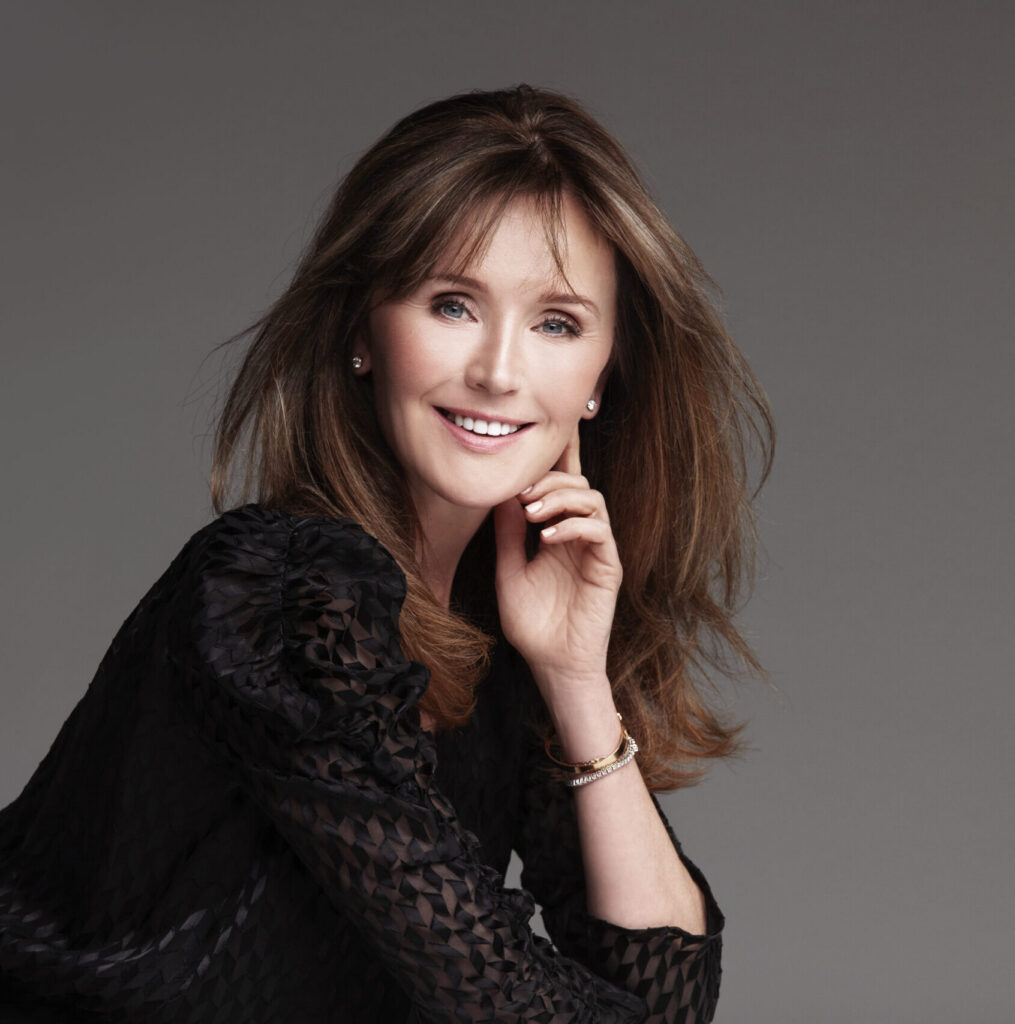
Dr. Shannon Humphrey is a Canadian Dermatologist in Vancouver, BC. She sits on the Medical Advisory Committee of the Acne & Rosacea Society of Canada.
Other articles: